We use cookies to give you the best possible experience. To accept cookies continue browsing, or view our Cookies Policy to find out more.




Laundry Advice - Tips On Washing & Ironing Linen
|
December 13th, 2019
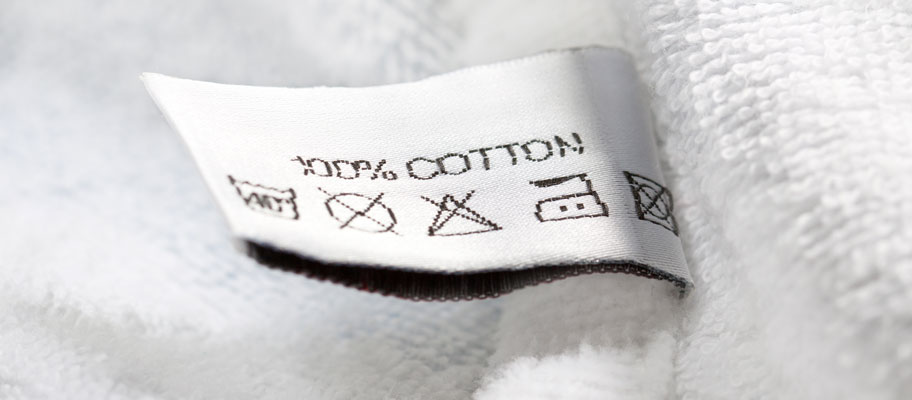
Towelling Products
- New towelling products should always be given a hot wash with detergent before use. This will prevent threads pulling.
- Shake out towels before loading into the washing machine to allow the wash liquor to penetrate.
- Detergents containing optical brightening agents will improve the visual brightness of white towels.
- For coloured towels use a detergent that does not contain any optical brightening agents as this will mask the true shade and diminish the colour.
- Coloured towels should be washed with similar shades and white towels only washed with white. Coloured lint contamination will ruin the appearance of towels if wash loads contain notably different colours
- Washing in hard water can give a harsh feel to towels.
- Fabric conditioner can be used to improve aroma and softness of the towel, however this lubricates the fibres which reduces towel absorbancy and can lead to fibre loss.
- Do not over dry towels in the tumble dryer. This can lead to a dull, grey appearance.
- Do not use towels to clean up bathroom spills or to wipe down after cleaning. Beauty products and bathroom cleaners can discolour or damage the towel leading to holes.
Polyester Table Linen
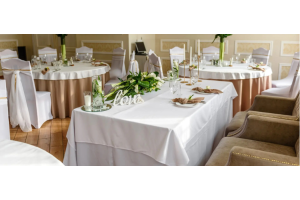
- Do not mix colours on the first wash. Residual dye/chemicals may be present from manufacture which may cause cross contamination.
- Always wash white table linen on its own to prevent dye contamination from other colours
- Subsequent washes can be classified according to colour e.g. pale shades such as peach and pink can be washed together at lower temperatures (less than 60C).
- Wash loads should also be classified according to the degree of soiling.
- Do not mix fibre types. Washing and/or drying 100% cotton and polyester/cotton blends with 100% polyester table linen will result in cotton lint attaching to the surface of the polyester fabric giving the appearance of pilling (or “bobbling
- Shake out table linen to remove and cutlery, solid food residues and other foreign objects before loading into the washing machine. Items such as knives and pens can damage or permanently stain the fabric.
- Detergents containing OBA (Optical Brightening Agents) are only recommended on white goods. This will make a white fabric appear whiter and brighter.
- The use of detergents containing OBA can alter the appearance of coloured shades giving the impression of colour loss. Coloured fabric should ideally be washed in detergents that do not contain OBA.
- Residual staining can be removed using oxygen based bleaching agents but these should not be substituted for a good wash process with adequate detergency. Care and attention should be given to the conditions of use.
- Chlorine bleach (Sodium Hypochlorite) can cause permanent colour loss and shade changes and should be avoided.
- The wash temperature can affect the fabric quality. If polyester is washed at 60C, a cool down stage must be included between the high temperature wash and cold temperature rinsing. The wash liquor temperature should reduce to 50C and a rate of approximately 4C per minute.
- High temperature washing can without a sufficient cool down stage can result in Thermal Shock Creasing. This occurs when hot, soft and pliable polyester fibres are cooled too quickly whilst in a crumpled state. This results in small “broken ice” type creases on the fabric surface.
- For best results polyester table linen should be ironed dry. Always feed the fabric into the ironer whilst damp.
- Higher ironer bed temperatures (above 170C) on modern machinery can cause softening and distortion of polyester if consistently ironed in the same direction. Altering the direction of feed after each wash will minimise this effect.
100% Cotton
- New cotton items should be washed before use to remove and loose fibres and remove any residual chemicals from manufacture.
- Shake out table linen to remove and cutlery, solid food residues and other foreign objects before loading into the washing machine. Items such as knives and pens can damage or permanently stain the fabric.
- Always wash white goods on their own to prevent dye contamination from other colours
- Do not mix colours on the first wash. Residual dye/chemicals may be present from manufacture which may cause cross contamination. Classify wash loads according to similar colours for subsequent washes.
- Wash loads should also be classified according to the degree of soiling.
- Detergents containing optical brightening agents will improve the visual brightness of white cotton goods.
- For coloured goods, use a detergent that does not contain any optical brightening agents as this will mask the true shade and diminish the colour, particularly on 100% cotton items.
- Residual staining can be removed using oxygen based bleaching agents but these should not be substituted for a good wash process with adequate detergency. Care and attention should be given to the conditions of use.
- Stain removal using Chlorine bleach (Sodium Hypochlorite) will chemically damage and accelerate the weakening of cotton fibres. Over/repeated use will cause sufficient damage to easily tear the cotton. On coloured items, Chlorine bleach will cause permanent colour loss/shade change and should be avoided.
- Cotton is more resistant to heat damage and white goods can be washed at temperatures up to 90C to remove heavy staining.
- Coloured items should be washed at lower temperatures not exceeding 50C to minimise colour loss.
- Natural starches can be applied to cotton table linen to impart polish and stiffness where required. Starching should take place on the final water based stage of the wash process after the fabric has been cleaned and all wash chemicals neutralised.
- Ironing of cotton should be done whilst damp and is essential to complete the drying process, remove creasing and improve its aesthetic appeal.
Polyester/Cotton Blends
- Wash loads should be classified according to colour and soiling level.
- White items should be washed separately to prevent cross contamination from coloured items.
- Do not wash with 100% cotton/100% polyester goods.
- Detergents containing optical brightening agents will improve the visual brightness of white polyester/cotton goods.
- For coloured goods, use a detergent that does not contain any optical brightening agents as this will mask the true shade and diminish the colour.
- Residual staining can be removed using oxygen based bleaching agents but these should not be substituted for a good wash process with adequate detergency. Care and attention should be given to the conditions of use.
- Stain removal using Chlorine bleach (Sodium Hypochlorite) will chemically damage and accelerate the weakening of cotton fibres in the blend. Over/repeated use will cause the cotton fibres to degrade leaving a thin, shiny fabric due to the remaining polyester. On coloured items, Chlorine bleach will cause permanent colour loss/shade change and should be avoided.
- The first 4 to 5 minutes of the wash process should be carried out with a temperature below 40C to prevent setting any protein stains.
- The wash temperature can then be increased to 60C for white items or 70C should the soiling be cooking oil or grease based to encourage emulsification.
- If polyester/cotton is washed at 60C or above, a cool down stage must be included between the high temperature wash and cold temperature rinsing. The wash liquor temperature should reduce to 50C and a rate of approximately 4C per minute.
- High temperature washing without a sufficient cool down stage can result in Thermal Shock Creasing. This occurs when hot, soft and pliable polyester fibres are cooled too quickly whilst in a crumpled state. This results in small “broken ice” type creases on the fabric surface.
- Natural or less commonly synthetic starches can be applied to poly/cotton table linen to impart polish and stiffness where required. Starching should take place on the final water based stage of the wash process after the fabric has been cleaned and all wash chemicals neutralised.
- Ironing should be done whilst damp to complete the drying process.
- Higher ironer bed temperatures (above 170C) on modern machinery can cause softening and distortion of polyester if consistently ironed in the same direction. Altering the direction of feed after each wash will minimise this effect if possible.
Natural Fill
Machinery – Washer Extractor
Not suitable for laundering in Continuous Batch Washers as blockages are most likely to occur.
Loading – Load to 50% of visual capacity. Do not overload the machine as the filling can be crushed/damaged. Under loading will allow the goods to move freely, increase the area in contact with the wash liquor and allow for adequate cleaning.
Washing Frequency – Feather/down filled goods may require washing once to twice per year as the natural filling can support the growth of bacteria. Correct laundering is key to ensure an adequate lifespan.
Wash Process
- Recommended Detergent Quantity: 20g/kg Neutral detergent. The higher detergent quantity will make for a more efficient wash at a lower temperature. Neutral detergent will help protect the structure of the feather. Highly alkaline detergents can attack the protein from which the feather is made, and prematurely damage the feathers.
- Prewash: Wash in a medium dip level at 38°C for 4 minutes using ⅓ of the total detergent quantity. The prewash will soften protein stains such as food, vomit, blood etc and must not exceed 38°C. Temperatures in excess of this will set protein stains making removal very difficult or even impossible.
- Main Wash: Low dip level at 40°C for 6 minutes using the remaining ⅔ of the detergent plus light oxygen bleach to help remove any stains such as tea/coffee or red wine. DO NOT USE SODIUM HYPOCHLORITE BLEACH. This will weaken the protein in the feathers causing premature damage to the filling.
- Rinse 1: High dip level for 3 minutes
- Interspin: 1 minute. This is very useful to improve rinse efficiency as more residual wash chemicals will be removed.
- Rinse 2: High dip level for 3 minutes
- Interspin: 1 minute
- Rinse 3: High dip level for 3 minutes. Three rinses are strongly recommended to ensure all chemicals are fully removed from the filling. Residual chemicals will attack and degrade the natural filling.
- Drain and Final Extract: Spin for 6 minutes at high speed.
Drying
- Tumble Dry. Use a dryer matched to the washing machine.
- Load to give 33% visual capacity when dry. The filling needs adequate room to move freely and dry properly. Improper drying of the filling can lead to mildew odours due to the formation of damp clumps.
- Dry on the cotton temperature setting to reduce the overall drying time and reduce physical damage to the feathers.
- To prevent clumping of the filling or if clumping occurs add soft heavy rubber balls in the tumble dryer to help break up and distribute the filling. This will also help the fill to dry.
Synthetic Fill
Machinery – Washer Extractor
Not suitable for laundering in Continuous Batch Washers as blockages are most likely to occur.
Loading – Load to 50% of visual capacity. Do not overload the machine as the filling can collapse and be crushed. Under loading will allow the goods to move freely, increase the area in contact with the wash liquor and allow for adequate cleaning.
Washing Frequency – Synthetic fill does not support the growth of bacteria so should only require laundering if the goods become soiled. Correct laundering is key to ensure an adequate lifespan.
Wash Process
- Recommended Detergent Quantity: 20g/kg. The higher detergent quantity will make for a more efficient wash at a lower temperature.
- Prewash: Wash in a medium dip level at 38°C for 4 minutes using ⅓ of the total detergent quantity. The prewash will soften protein stains such as food, vomit, blood etc and must not exceed 38°C. Temperatures in excess of this will set protein stains making removal very difficult or even impossible.
- Main Wash: Low dip level at 40°C for 8 minutes using the remaining ⅔ of the detergent plus 2 – 4mls/kg of mid-range *emulsifier to remove any oily stains and skin oils or grease from creams etc.
- Rinse 1: High dip level for 3 minutes with 6ml/kg Sodium Hypochlorite if necessary for stain removal.
- Interspin: 1 minute. This is very useful to improve rinse efficiency as more residual wash chemicals will be removed.
- Rinse 2: High dip level for 3 minutes. A suitable Antichlor should be added to the final rinse to fully neutralise the hypochlorite and prevent fabric damage.
- Drain and Final Extract: Spin for 6 minutes at high speed.
Drying
- Tumble Dry. Use a dryer matched to the washing machine.
- Load to give 33% visual capacity when dry. The filling needs adequate room to move freely and dry properly. Overloading can crush the filling.
- Dry on the polyester temperature setting. Do not dry at high temperature. This can cause synthetic fibres to begin melting, become sticky and bond together which will cause irreversible clumping of the fill. Do not over-dry.
- To prevent clumping of the filling or if clumping occurs (due to general entanglement rather than bonded by melting), add soft heavy rubber balls in the tumble dryer to help break up and distribute the filling.
Emulsifiers are used to help remove oils and greases and are cheaper and more effective than increasing the quantity of detergent. Emulsifiers typically fall into 3 categories depending on the type of oil/grease to be removed:
- Spa oil
- Kitchen fats/oils
- Engineers oil/grease and shoe polish
It is essential that the correct emulsifier type is used as not all emulsifiers will remove the full range of oils/greases. The appropriate product to use is best discussed with a reputable detergent supplier.
Looking for more laundry advice? Be sure to read our article on common linen problems and how to solve them.
Recent Posts